 21. May 2026
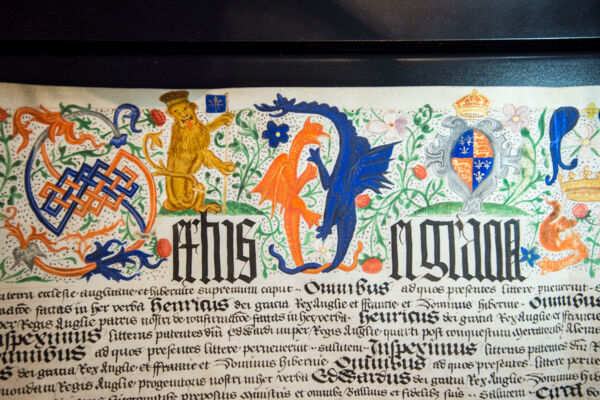
The conference will take place in Lübeck on 25-28 May. The conference venue, the European Hansemuseum, offers an ideal setting for engaging with power discourses grounded in history: How is history told – and by whom? Which narratives are emphasised, which suppressed? And how do museums, politics and academia contribute to the interpretation of the past? Between medieval power politics and modern culture of remembrance, this opens up a broad space for discussions on power, narration and interpretative authority – and on how history is not merely remembered, but constantly renegotiated.
The presentations on Tuesday 26 May and Wednesday 27 May will be streamed live on the European Hansemuseum’s YouTube channel.
Please note that the main conference language is German.
Click here for the conference programme.
 Back to overview